


Wszystkie produkty
-
Manometr różnicowy
-
cyfrowy manometr
-
Manometr ze stali nierdzewnej
-
Precyzyjny przetwornik ciśnienia
-
Programowalny sterownik logiczny
-
Pływakowy przełącznik poziomu
-
Pneumatyczny pozycjoner zaworu
-
Czujnik przetwornika temperatury
-
Komunikator polowy Hart
-
Zawór elektromagnetyczny
-
Zawory regulacyjne
-
Przepływomierz o wysokiej dokładności
-
zatapialna pompa wodna
-
Kolektor przetwornika ciśnienia
-
Ultradźwiękowy miernik poziomu
-
Miernik mocy napięcia prądu
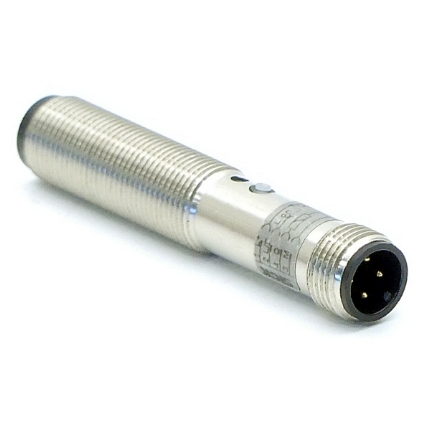
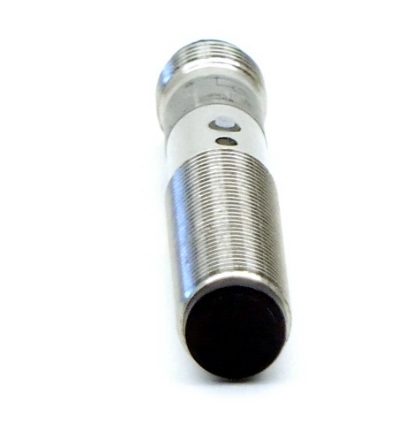
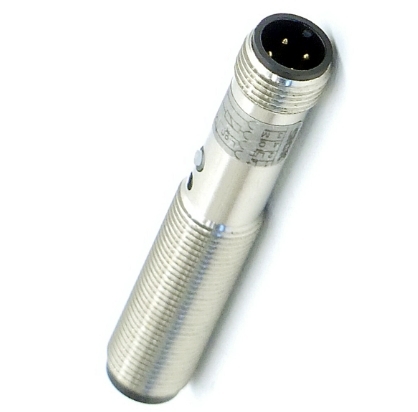
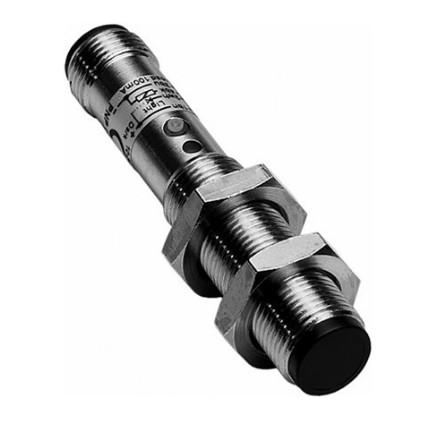
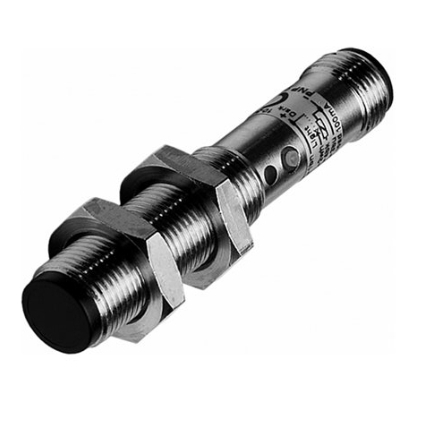
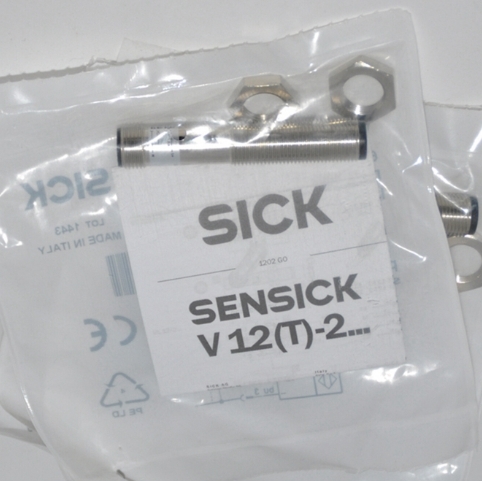
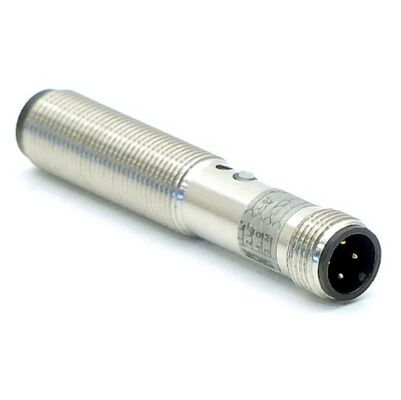
Sick VT12T-2P430 czujnik wykrywania, czujnik fotoelektryczny


| Miejsce pochodzenia | Niemcy |
|---|---|
| Nazwa handlowa | 5 |
| Orzecznictwo | CCC,CE |
| Numer modelu | VT12T-2P430 |
| Minimalne zamówienie | 5 |
| Cena | $65 |
| Szczegóły pakowania | Oryginalne opakowanie |
| Czas dostawy | 5-8 dni roboczych |
| Zasady płatności | L/C, D/A, D/P, T/T |
| Możliwość Supply | 1000 sztuk/miesiąc |
Szczegóły Produktu
| Wymiary | 12 mm x 12 mm x 65,5 mm | Zasięg wykrywania maks | 0 mm ... 340 mm |
|---|---|---|---|
| Długość fali | 880 nm | Napięcie zasilania | 10 V DC... 30 V DC |
| Długość obudowy | 650,5 mm | Waga | 18 G |
| Podkreślić | Czujnik wykrywania fotoelektrycznego,czujnik Sick VT12T-2P430,czujnik fotoelektryczny z gwarancją |
||
opis produktu
- Zasada działania: Energetyczne odbicie rozproszone z diodą LED na podczerwień o długości fali 880 nm. Nie wymaga reflektora; sygnał wyzwalający opiera się na świetle odbitym od obiektów docelowych. Standardowy zasięg wykrywania: 2–300 mm, maksymalna wykrywalna odległość do 340 mm (mierzona na standardowej białej płycie o 90% współczynniku odbicia).
- Struktura mechaniczna: Standardowa obudowa z gwintem mosiężnym M12*1, wymiary 12*12*65,5 mm, waga netto tylko 18 g. Zintegrowany przycisk uczenia z przodu, 4-pinowe złącze męskie M12 z tyłu dla wygodnego okablowania i demontażu.
- Specyfikacje elektryczne: Szerokie napięcie zasilania DC 10–30 V, wyjście tranzystorowe PNP o max. prąd obciążenia 100 mA. Możliwość przełączania trybu jasno-włącz/ciemno za pomocą wbudowanego przycisku lub przewodu pilota.
- Wydajność wykrywania: Skoncentrowana plamka świetlna (średnica plamki tylko 28 mm przy 300 mm, kąt rozbieżności wiązki 5,3°), zdolna do precyzyjnego wykrywania małych i cienkich przedmiotów. Czas reakcji ≤1,25 ms, maksymalna częstotliwość przełączania 400 Hz, odpowiednia dla szybkich linii produkcyjnych.
- Ochrona i zdolność adaptacji do środowiska: Stopień wodoodporności i pyłoszczelności IP67. Wbudowane zabezpieczenie wieloobwodowe przed odwrotną polaryzacją, zwarciem, przetężeniem i zakłóceniami elektromagnetycznymi. Zakres temperatur pracy: -25°C ~ +70°C, odporny na mgłę olejową, kurz i kondensację. Certyfikat CE i UL. Żywotność diod LED na podczerwień osiąga 100 000 godzin w temperaturze otoczenia 25°C.
- Metoda uruchomienia: Podwójne tryby uczenia: lokalne uczenie ręczne jednym dotknięciem i zdalne uczenie przewodowe, szybkie blokowanie progu wykrywania w celu uniknięcia fałszywego wyzwalania spowodowanego zakłóceniami tła lub przeszkodami na pierwszym planie.
Polecane produkty
